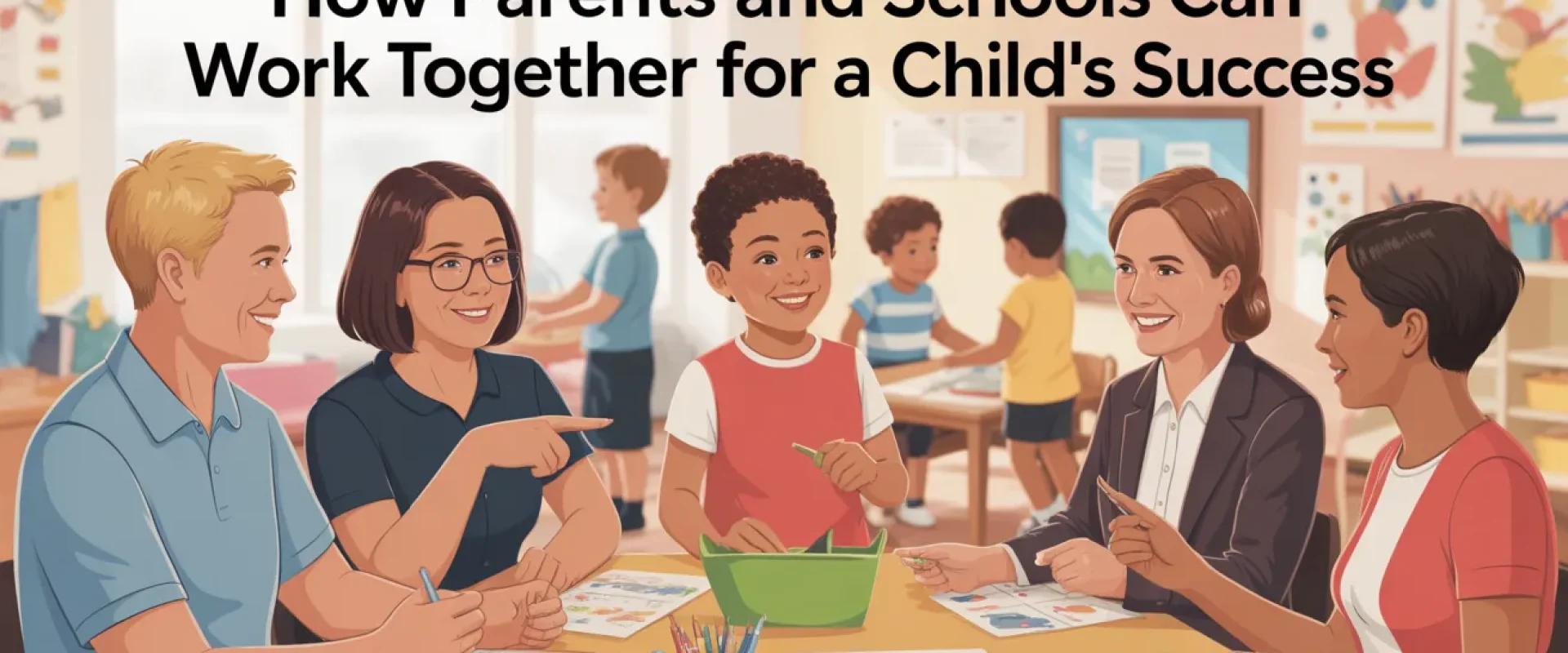
Introduction to Parent-School Collaboration
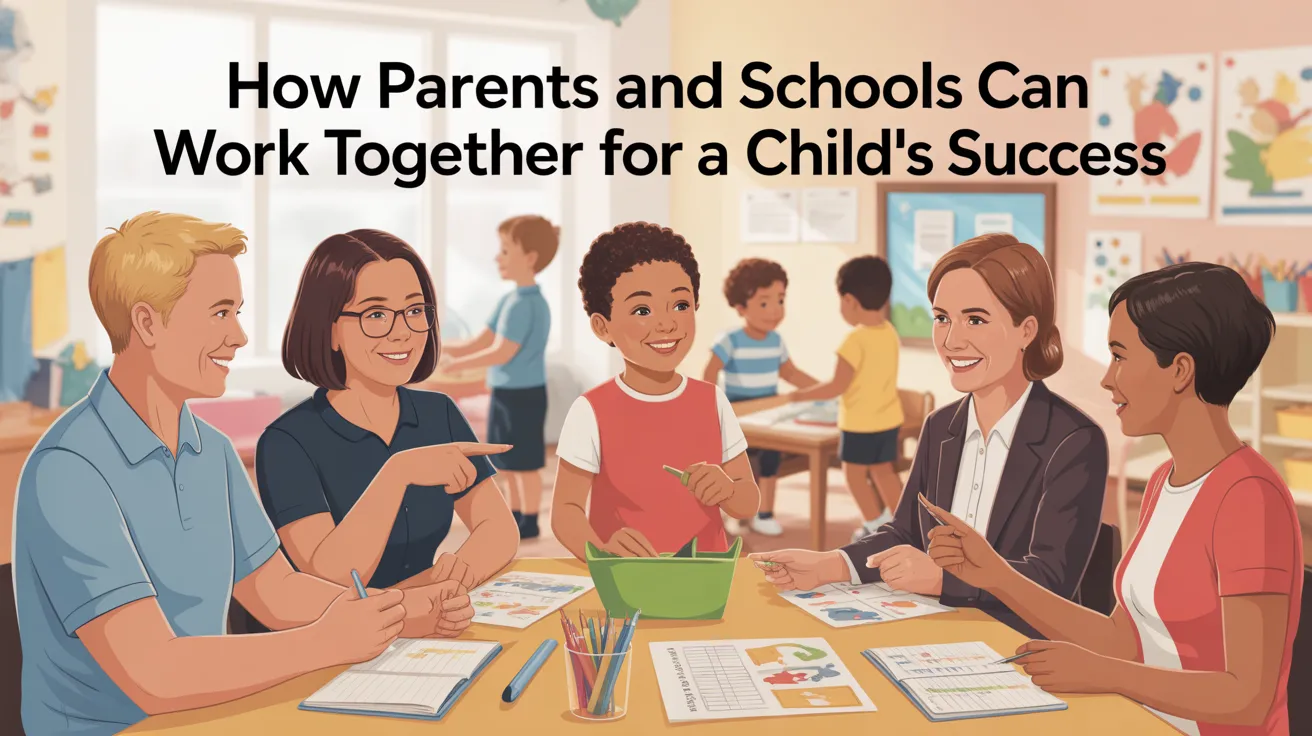
In the contemporary world, where everything is fast, competitive, and dominant over the other; classroom learning is not the only factor that determines the success of a child. It is closer to a two-engine approach in which parents and schools equally are of critical importance. When the two forces are in tandem the outcome can be transformational. Now think, would a plant grow right, when it is just watered, but never gets sunlight? Likewise, children require instruction at school and support at home to be able to prosper.
In Gyan Vihar world school, there is not only attention to academic excellence but also emphasis on creating a good relationship between parents and teachers. This relationship is the reason why children are uniformly supported, encouraged, and guided in all environments. Parental involvement in education is an issue that has become more vital in the last few years since it directly influences the behavior, confidence, and performance of a child.
By being aware and actively involved in the learning process of a child, the parents have established a positive loop of reinforcements. Children are encouraged, heard and taken more responsibility. Schools, however, get great tips on the personality of different children and this assists the teachers to approach them differently. This partnership is no longer optional, but it is compulsory.
Knowledge of Parents and Teacher
1. Parents as First Educators
The initial teachers of a child are the parents way before they go to school. Teaching the basic rules to inculcating discipline and curiosity, parents provide a new base of learning throughout their life. A home environment influences the way of thinking and habits of a child and his/her emotional stability. Parents should be involved in the learning process of their children so that what is learned in school gets confirmed.
Consider a situation where a child learns in school to be honest and be exposed to dishonesty at home. Confusing, right? That is why congruence between parents and teachers is important. It makes sure that children have the same messages, values and expectations.
2. Teachers as Academic Mentors
Teachers, in their turn, are professional mentors who order the learning in a systematic manner. They point out strengths, discuss weaknesses and give feedback that enables students to improve both academically and socially. Teachers in schools such as Gyan Vihar World School do more than just teach through books, they mentor, inspire and nurture the students to achieve the best out of them.
Cooperation is less difficult when the parents and teachers have a clear understanding of what they have to do. It is this apparent understanding that can define the partnership between parents and teachers to the advantage of the child.
Significance of Parental involvement in Education
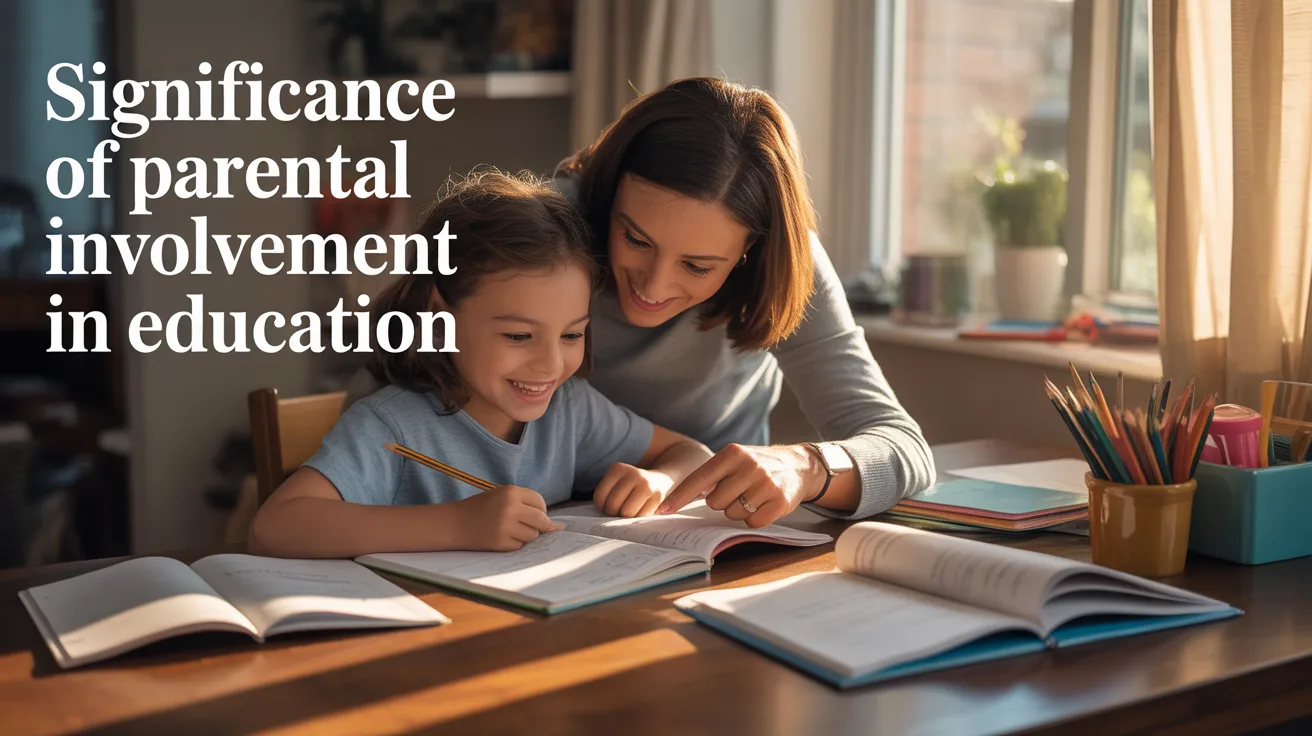
1. This can have an emotional and academic impact
Parental role in education cannot be underestimated. Research always indicates that students whose parents are actively involved in their education are better in their studies, they have high self-esteem and they are better behaved. The children may always feel that someone is close by to help them, it is a sort of a safety net.
When parents attend school meetings, help children with their homework or even just ask them about their day: your education matters. This emotional support increases motivation and makes children have serious studies.
Parents of the Gyan Vihar World School will be persuaded to take an active part in school activities, workshops and discussions. This interaction does not only result in better parent-child bonds but also the learning process in general.
Benefits of Parent Teacher Communication
1. Building Trust and Transparency
Trust that is created is one of the greatest advantages of parent teacher communication. When the parents and the teachers communicate freely, misunderstandings diminish greatly. Each party is listened to with respect and this provides a conducive environment to the child.
Constant communication will enable the parents to be informed on the academic progress, behavior change, and further activities. In their turn, teachers obtain the information about the child, home situation, interests, and challenges.
2. Early Problem Detection
The early detection of problems is another significant benefit.It is either one will suffer declining grades, lack of interest or even his behavior problems but with the right communication at the appropriate time, then it is possible to intervene at the earliest time. Suppose it was as though one could see a small crack before it became a big problem.
In Gyan Vihar World School, the organized nature of communication systems such as parent-teacher meetings and online updates are used to ensure that no issue is overlooked. This proactiveness is important in ways of enhancing child academic success.
Effective Co-operation between Parents and Teachers
1. Open Communication Channels
Effective collaboration would only be possible in case there is communication. Parents and teachers are also urged to express themselves freely to share their issues, ideas and feedback. This may be by holding regular meetings, emails or school applications.
Speaking about the development of a child, it is necessary to pay attention to solutions and not blame. It is helpful to be positive and keep the best interest of the child in focus since it will help in collaboration.
2. Stability in Behaviors and Values
Another important aspect is consistency. When a child is punished at school due to certain behavior and at home permitted to do the same, this is confusing. Harmonization of rules and expectations provides clarity and contributes to the acquisition of good values among children.
This is one of the main aspects of the collaboration between parents and teachers. It forms a system of support that leads the child to the right direction.
Strategies for Better Parent School Partnership
1. Regular Meetings and Feedback
Regular scheduling of interactions is one of the most successful strategies to employ in order to have better parent school partnership. Parent-teacher conferences should not be corrected by report cards only, they should be aimed at general development.
Feedback should be two-way. The parents are able to make observations at home and the teacher at school. This communication is useful in developing a comprehensive view of child development.
2. Participation in School Activities
The involvement in the school activities empowers the bond between the school and the parents. It could be that it is the annual functions, volunteering, or that it is when attending some workshops, participation is a big difference.
These activities in Gyan Vihar World School are aimed at uniting parents and teachers and making them feel like they belong to a community and share responsibility.
Ways to Improve Child Academic Success
1. Creating a Supportive Home Environment
The home environment has a significant role to play on how to enhance child academic success. This is as well as a silent study environment, routine and promotion of reading.
Minor successes should also be celebrated by the parents. Appreciation makes one feel good about themselves and to please the children to give their best.
2. Encouraging Independent Learning
Even though support is vital, independence is also critical. Promote critical thinking, problem solving, and responsibility of the children in their learning process.
The conflict between using guidance and independence gives the children everything they can face in the future, and builds up his or her resilience.
Positive Workforce Synergies: Real-Life Successes
Case Study from Gyan Vihar World School
In Gyan Vihar World School, one of the students had a problem with math because he was not sure enough. Teachers registered the problem and informed the parents. They came up with a strategy that involved additional school practice sessions and home instruction.
The child not only became better academically but also got confidence within a few months. That is why the significance of cooperation and the benefits of interaction between parents and teachers are noticeable in this case.
The Obvious Problems and How to beat them
1. Time Constraints
One of them is the time shortage. Parents are usually busy people who cannot easily keep in touch. Nevertheless, such minor actions as a quick check-in or optional meetings may produce significant impacts.
2. Communication Gaps
A lack of communication may result in misunderstanding. To eliminate this, the schools are supposed to offer more means of communication and the parents are supposed to be involved in the communication.
These issues need to be addressed to establish a good partnership and effective strategies to enhance better parent school partnership.
Read also – Top 10 Practical Life Skills Activities to Empower Students
Conclusion
Success of a child is not a one-person affair, it is a collective work between the parents and schools. The effect of the collaboration between the two is impressive and enduring. Whether it is the enhancement of academic performance, development of confidence and character, collaboration is very important in the future of a child.
This co-operation is considered in Gyan Vihar World School as one of the pillars of education. The keys that assist the parents and teachers to give the environment where children thrive are communication, involvement, and consistency.
FAQs
1. Why is parent-teacher collaboration significant?
It guarantees uniform instructions, academic response enhancement, and emotional growth.
2. What is the advantage of parent teacher communication?
It fosters trust, initiates openness and helps to identify issues in their initial phase.
3. What are the ways of parents which assist in the education of their child at home?
It might be through the creation of a habit of learning, encouraging reading, and being involved with school life.
4. What are effective strategies for better parent school partnership?
Frequent meetings, free communication, and involvement in school affairs.
5. What is the academic success of parental involvement?
It improves the performance and the motivation and confidence of children.