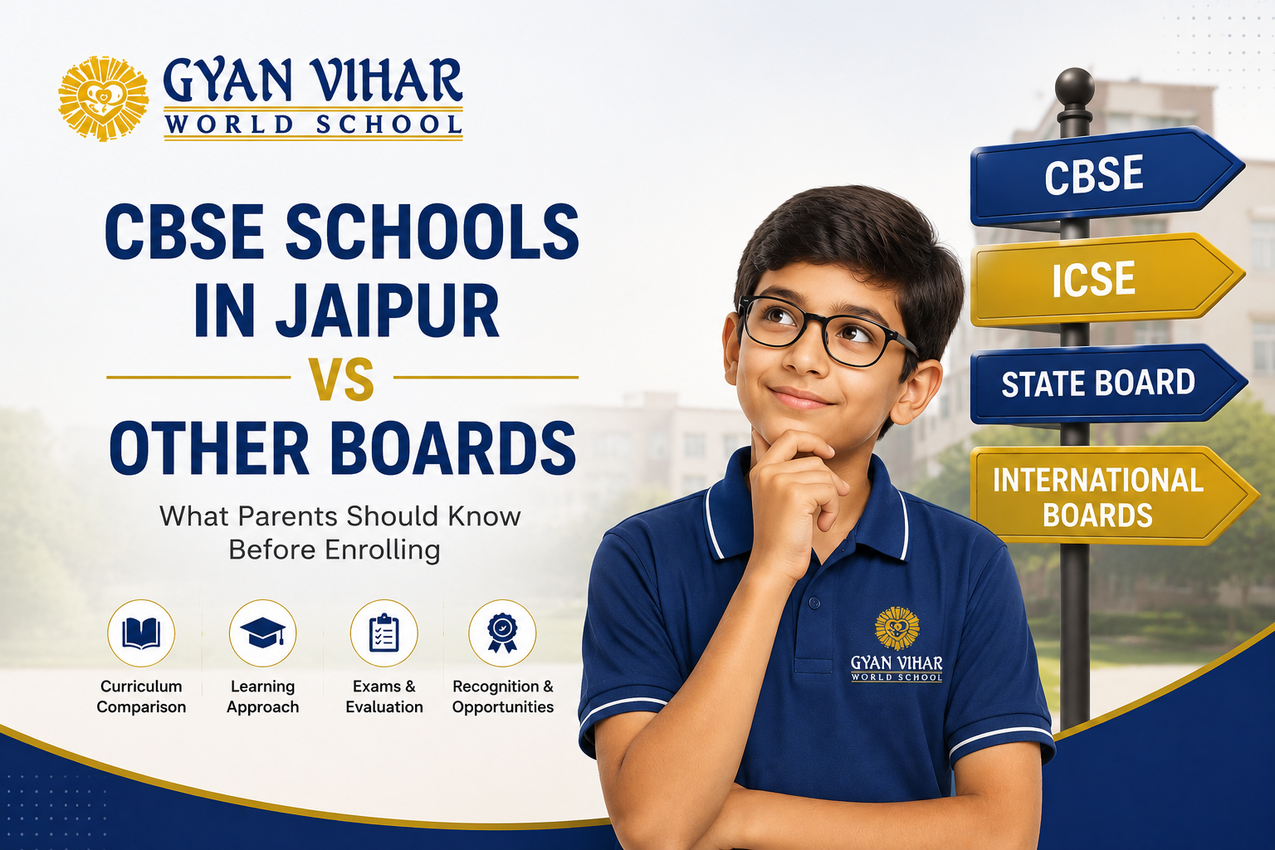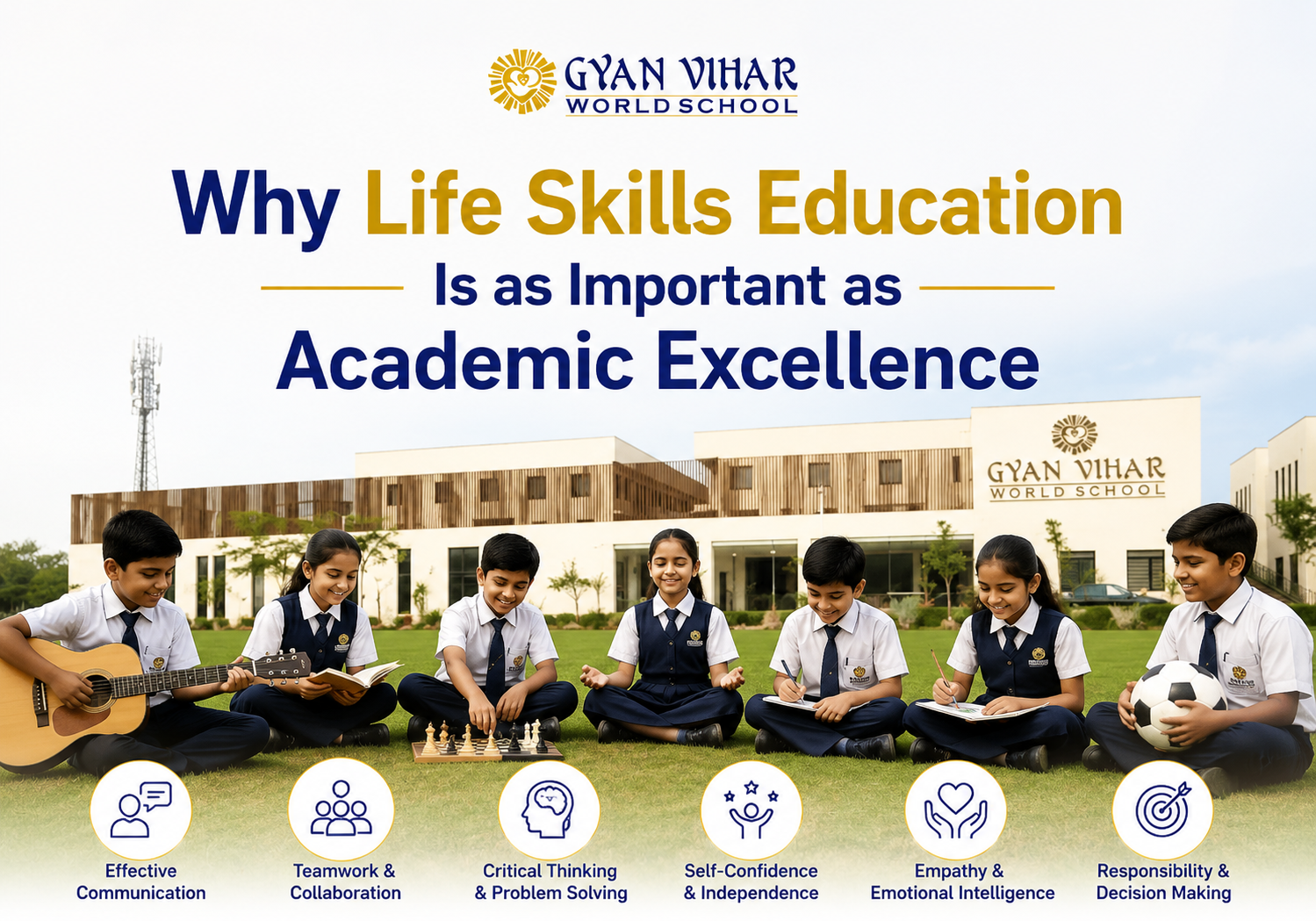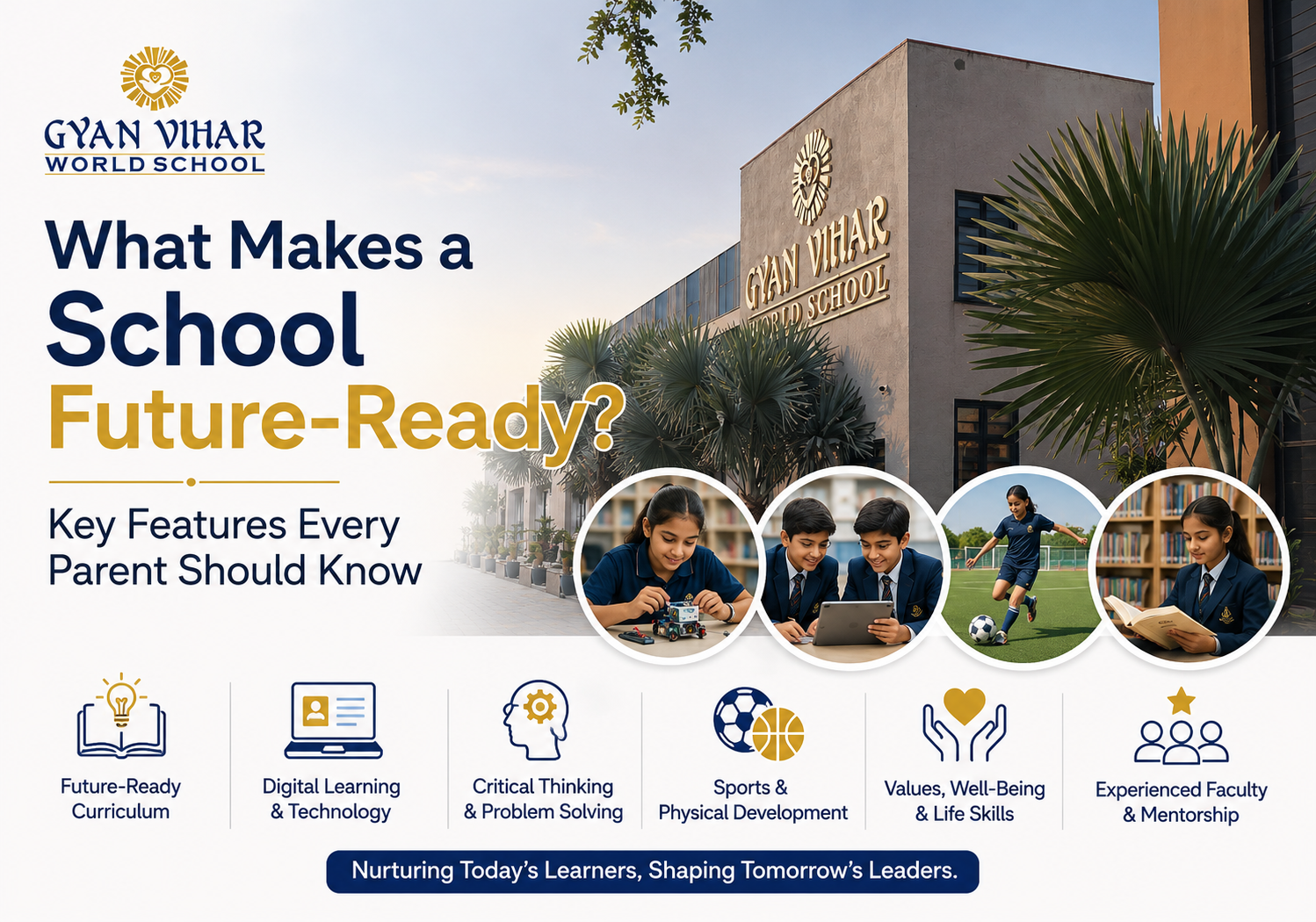
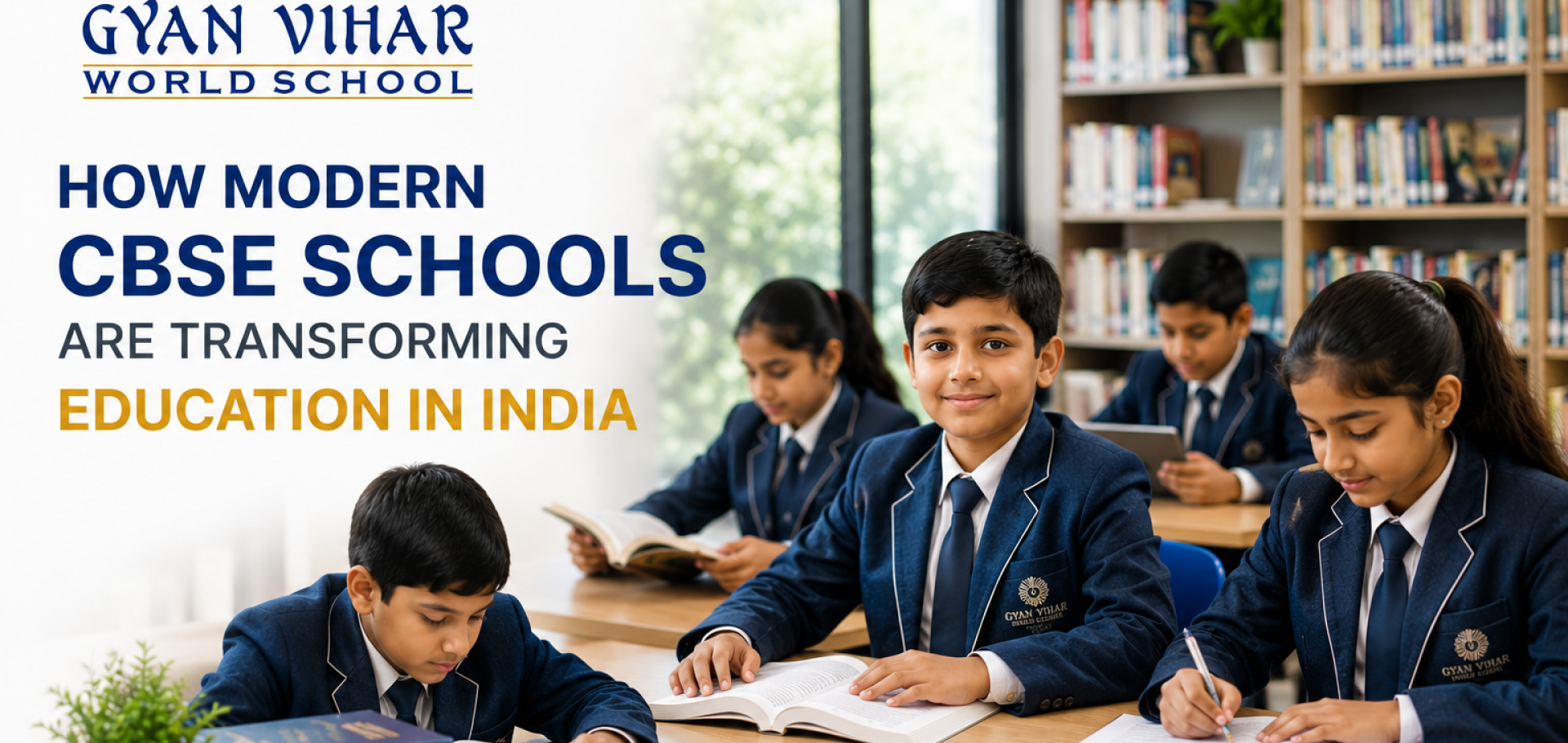
Indian education is transforming in the present and schools are implementing new approaches to gear students up for the competitive world. In today’s times, the Indian CBSE schools are not confined to conventional classroom instruction. They are developing an atmosphere for learning that is based on creativity, technology, application and personality development. Gyan Vihar World School in their student centric approach to catalyze this change helps in these aspects.
1. Technology-Driven Classrooms
This is the biggest change in the CBSE education that took place in the last few years, the technology in the classrooms. The teaching has been made more interactive and engaging through the use of smart boards, virtual learning tools, online assessment and digital presentation.
Key Benefits:
- Improving visual comprehension of ideas
- Lessons are interactive to encourage greater participation of students.
- Access to educational materials at hand.
- Better teacher to student communication
In school, smart learning helps students to grasp complex themes with the help of animation, video, and real-life examples. This transition to digital education in the schools makes sure that students are aware of the latest education trends
2. Focus on Skill-Based Learning
In contrast to conventional rote learning approach, the modern CBSE education emphasizes upon acquiring real life knowledge and skills. Pupils think critically, solve problems and work collaboratively.
Important Skills Developed:
- Communication skills
- Leadership qualities
- Analytical thinking
- Creativity and innovation
- Teamwork and confidence
CBSE Curriculum helps the students as it balances the academic and extra-curricular activities. Through this, children develop in their academic, social and emotional growth.
3. Personalized and Student-Centric Education
In today’s society, many CBSE schools in India know that each child learns in their own unique way. Personalised teaching approaches are used by teachers as a means of supporting pupils based on their ability and learning rate.
Examples of Personalized Learning:
- Individual attention when working in the classroom
- Activity-based teaching methods
- Working on projects and giving presentations.
- Regular performance analysis
In schools, students can access the learning that is made smart by using customised learning material so that it becomes more effective and enjoyable.
4. Digital Learning and Future Readiness
Digital learning in school has transformed the way learning is done. The use of technology like online learning games, coding programs, robotics workshops and AI tools is helping to equip students for the future of work.
How Students Benefit:
- The students will be exposed to advanced technology.
- Better digital literacy
- Improved research skills
- Enhanced independent learning
The future of CBSE schools is in the process of mixing tradition and technology. Now, schools are training students not only for tests but for the challenges of life in the real world and opportunities in the global arena.
5. Holistic Development Beyond Academics
The most reputed CBSE schools in India pay attention to developing personality. New skills such as leadership, public speaking, sports, music, dance and yoga are an integral part of the school curriculum.
Why Holistic Development Matters:
- Builds self-confidence
- Promotes good discipline and teamwork
- Promotes physical and mental well-being
- Promotes creativity and emotional intelligence
The CBSE syllabus has been crafted for a holistic education to enable students to achieve excellence in their studies and become well-rounded persons.
6. Strong Foundation for Competitive Exams
One more benefit of contemporary CBSE education is that it is aligned with the national competitive exams such as JEE, NEET, and CUET. It is a curriculum that begins to teach concepts from the outset.
Benefits for Students:
- Strong academic foundation
- Better problem-solving ability
- Better transitions to postsecondary education.
- Enhanced self-assurance in competitive settings
This is one of the reasons that parents choose CBSE schools in India for their child’s success in life.
Conclusion
The education system is changing and modern CBSE education plays a significant part in making students skilled, confident and future ready. Schools, including Gyan Vihar World School, are experiencing a revolution in learning through smart learning, advanced teaching methods, and digital learning in schools.
CBSE schools have a bright future as they emphasize on academic excellence along with innovation and creativity and holistic development. Students are provided with knowledge, skills and confidence to excel in today’s world and have some of the benefits of the CBSE curriculum.
FAQs
1. Why is it that CBSE schools in India are considered better for modern education?
CBSE schools in India emphasize on learning through concepts, skills, and application. They also have a well-rounded approach to academic work, sport and extra-curricular activities as well as developing all facets of a child’s development.
2. What makes modern CBSE education different from traditional learning?
Rote-learning is replaced with interactive teaching, technology equipped classrooms, project based learning and individualized attention in modern CBSE education
3. How does smart learning in schools improve student performance?
In schools, smart learning supports students in understanding concepts visually through video, animation and digital support. This makes class more engaging, memorable and active.
4. Major advantages of digital learning in schools are?
In schools, digital learning opens the doors to students’ access to virtual classrooms, modern learning tools and online resources. Enhances research, digital literacy and independent learning skills.
5. What are the key CBSE curriculum benefits for students?
The key advantages of CBSE curriculum include the understanding of concepts, preparation for competitive examinations at the National level, all round development of the students, learning flexibility and future academic preparation for students.